
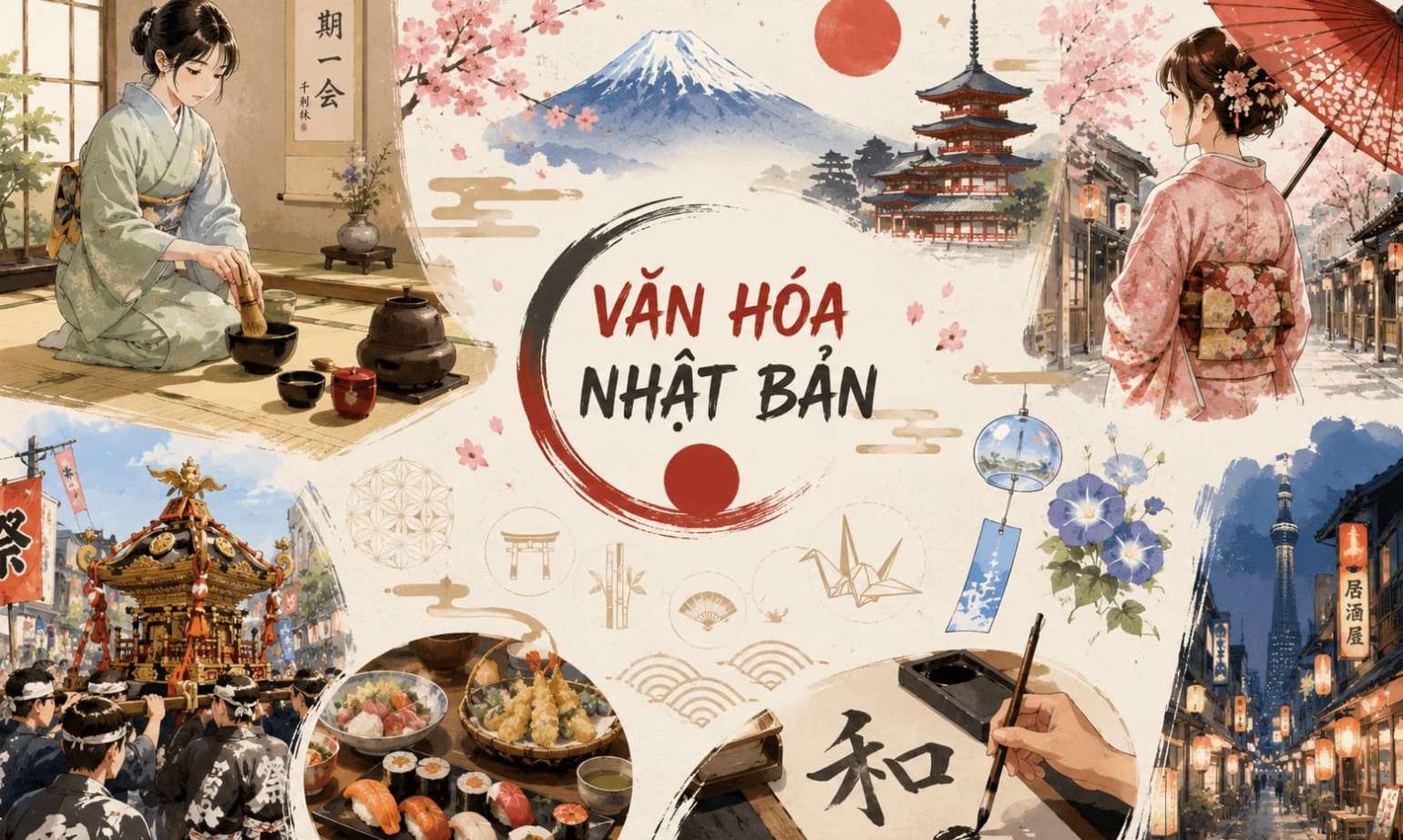
Japanese Cultural Characteristics International Students Should Know Before Studying in Japan
Japan is not only famous for its high-quality education system and advanced technology but also for its refined manners, politeness, and strong sense of community discipline. Understanding and respecting these cultural values will help international students adapt quickly, study effectively, and enjoy meaningful experiences during their time living in Japan.
1. Bowing Culture (Ojigi)
Ojigi (bowing) is one of the most distinctive and recognizable aspects of Japanese culture. The angle and duration of a bow vary depending on the situation and the relationship with the person you are communicating with.
However, Japanese people are generally not overly strict with foreigners. What they value most is politeness, sincerity, and a respectful attitude in communication. In everyday situations, simply smiling, making eye contact, and giving a slight bow are enough to show basic courtesy.
2. Punctuality – The Golden Rule of Daily Life
Being on time is one of the most important principles in Japanese culture. From schools and workplaces to personal appointments, people take time management very seriously.
For Japanese people, punctuality is not only a sign of discipline but also a way to show respect for others. Therefore, international students are encouraged to arrive 5–10 minutes early for appointments to make a good impression from the beginning.
3. Community Awareness: Waste Sorting, Queuing, and Maintaining Order
Waste separation is one of the things that surprises many international students when they first arrive in Japan. Sorting and disposing of garbage according to local regulations is considered everyone’s responsibility toward the community and the environment.
In addition, Japanese people maintain habits such as:
- Standing in orderly lines without pushing or cutting in.
- Maintaining quietness in public places.
- Avoiding phone conversations and loud noises on trains and buses.
- Keeping public spaces clean and respecting shared environments.
These small actions contribute to creating a civilized, clean, and safe living environment throughout Japan.
4. Indirect Communication and the Culture of “Reading Between the Lines”
One of the biggest differences international students may experience is the Japanese communication style. Japanese people rarely refuse or say “no” directly; instead, they often use gentle expressions to maintain harmony in relationships.
Understanding what is left unsaid (often explained through the concepts of Honne and Tatemae) requires time, observation, and real-life experience. Therefore, there is no need to worry if you cannot adapt immediately during your first days in Japan.
5. Senpai – Kohai Culture in Study and Work Environments
The relationship between Senpai (senior members) and Kohai (junior members) is an important part of Japanese schools, companies, and organizations.
Kohai are expected to show respect, actively learn, and listen to those with more experience. For international students, this may be a new experience, but it is also an opportunity to learn about respect, responsibility, and teamwork.
Advice for International Students
Culture shock is completely normal when starting life in a new country. Instead of worrying, maintain an open mindset, observe how Japanese people behave in daily life, and gradually adjust yourself in a natural way.
By understanding and respecting local culture, you can adapt more quickly, build meaningful relationships, and enjoy a more fulfilling study abroad journey in Japan. With the support of [Center Name], students are not only prepared with essential documents and language skills but are also equipped with practical cultural knowledge, helping them confidently adapt from their first days in Japan.